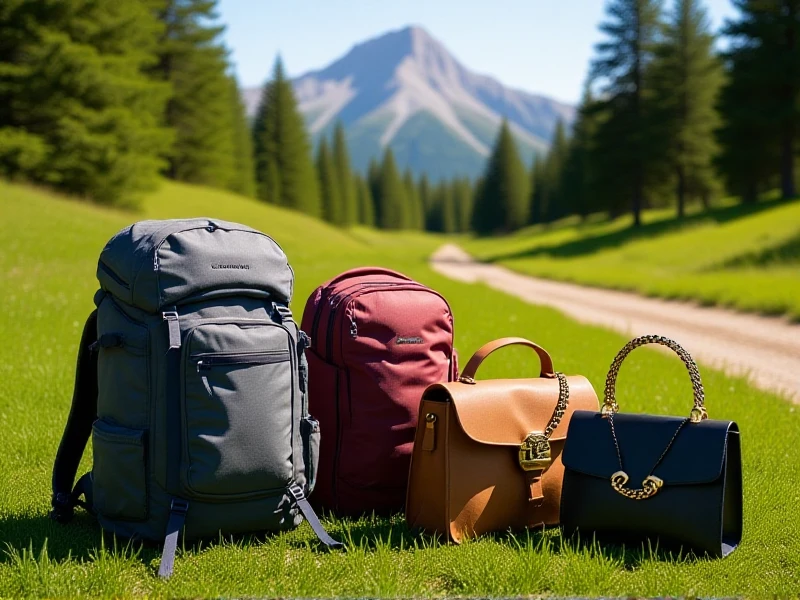
Your Ultimate Guide to Choosing the Best Men's Outdoor Backpacks
Finding the perfect Men's outdoor backpacks is crucial for any adventure enthusiast. A great backpack isn't just luggage; it's your trusted partner on rugged trails, ensuring gear stays secure, organized, and comfy for miles. Knowing what features matter makes all the difference on demanding trips.
Why Invest in a Quality Men's Outdoor Backpack?
Standard bags often fail when pushed beyond city limits. A dedicated Men's outdoor backpack offers:
- Superior Durability: Built with ripstop nylon or polyester and reinforced zippers to withstand abrasion, weather, and constant use.
- Enhanced Comfort: Thickly padded, breathable shoulder straps, contoured hip belts, and adjustable load lifters distribute weight effectively, reducing strain on your back and shoulders.
- Intelligent Organization: Multiple compartments, gear loops, hydration sleeves, and specialized pockets keep essentials (water, map, tools, rain layers) accessible without needing to unpack.
- Protection: Many feature rain covers or inherent water resistance to shield your gear from the elements.
Key Features to Consider
- Capacity: Match size to your trip length. Day hikes (24-35 liters), multi-day treks (35-50 liters) require significantly different space.
- Frame Type:
- Internal Frame: Ideal for stability on varied terrain, keeps pack close to your body.
- External Frame: Best for carrying heavy, bulky loads comfortably over long distances.
- Frameless: Lightest option, suited only for minimal loads on short trips.
- Materials: 500D nylon or polyester balances weight and toughness. Cordura® fabric excels in abrasion resistance.
- Fit & Suspension System: This is non-negotiable. Men's outdoor backpacks often use torso length sizing (S, M, L). An adjustable hip belt transfers most of the weight to your hips – the strongest core muscle group. Ensure shoulder straps connect below the shoulder blades when the belt is properly positioned.
- Compartmentalization: Look for a main compartment, lid or top pocket, easy-access pockets, side water bottle pockets, and potentially a front "shovel" pocket or bottom sleeping bag compartment based on your needs.
- Hydration Compatibility: A dedicated sleeve and tube port are essential for staying hydrated on the move.
Choosing Based on Activity
- Hiking/Day Trips: Comfort, hydration compatibility, and quick-access pockets are king.
- Backpacking/Overnighting: Prioritize capacity (35L ), sturdy frameship, weight distribution, and efficient gear organization for carrying tents, sleep systems, and cookware.
- Mountaineering/Alpine Use: Seek streamlined designs (minimal snag points), crampon attachments, ice axe loops, and reinforced construction for harsh environments.
- Travel: Consider panel-loaders for easy packing/unpacking and moderate capacity (40-50L often flight-friendly).
Tips for the Perfect Fit
- Measure Your Torso: From your C7 vertebrae (base of neck) down to your iliac crest (hip bone).
- Load the Pack: Test the backpack with weight similar to what you'll carry.
- Adjust First from the Hip Belt: Position it snugly on your hip bones. It should carry 70-80% of the weight.
- Adjust Shoulder Straps: Snug but not digging in. The stabilizer straps help pull the load closer.
- Tighten Load Lifters: The strap angle near your shoulders should be about 45 degrees, pulling the top of the pack towards your body.
Investing in the right Men's outdoor backpacks transforms your journey from enduring discomfort to embracing exploration freely. Prioritize fit, function, and durability. Visit reputable outdoor gear retailers to get properly measured and explore the models designed for your specific adventures. Your shoulders and back will thank you mile after rugged mile!