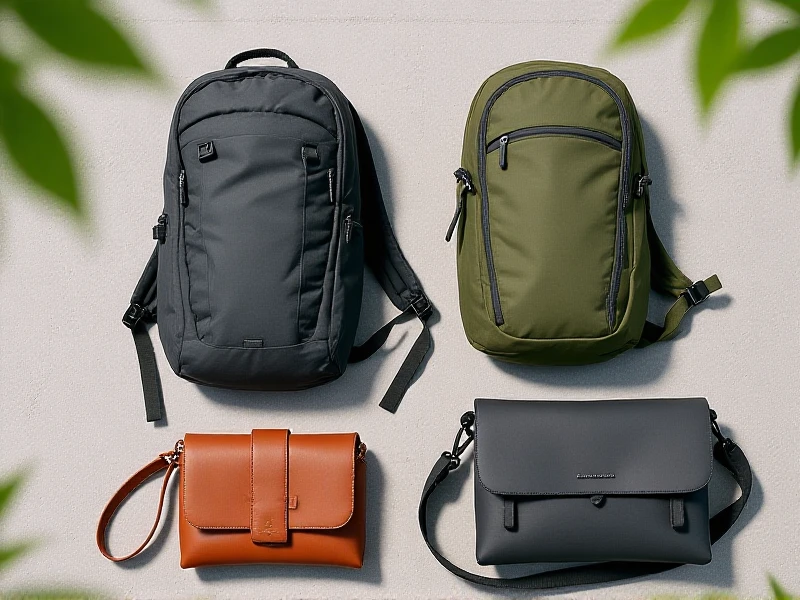
The Ultimate Guide to Choosing Men's Outdoor Backpacks in 2024
Conquering peaks, exploring trails, or embarking on weekend adventures demands reliable gear, and few pieces are as indispensable as a quality Men's Outdoor Backpack. Forget basic daybags; the right pack is your essential partner, carrying your load comfortably and securely through every rugged mile. Choosing the perfect Outdoor Backpack tailored to men's needs can significantly elevate your experience. Let's break down the key factors.
Understanding Your Needs: It Starts with Activity
The "best" Men's Outdoor Backpack depends entirely on what you're doing:
- Day Hiking/Daypacks: (15-35 Liters) Ideal for shorter excursions. Look for lightweight constructions, hydration reservoir compatibility, and easy-access pockets for snacks and essentials. Breathable back panels are key for comfort on trails.
- Overnight Backpacking Packs: (35-60 Liters) Designed for 1-3 night trips carrying tent, sleeping bag, stove, and food. Prioritize adjustable torso length, robust suspension systems (like tensioned mesh frames), ample lash points for gear, and comfortable hip belts transferring weight effectively. Durability is non-negotiable.
- Extended Trekking/Expedition Packs: (60 Liters) Built for multi-day wilderness trips requiring significant gear and food loads. Expect maximum load-transferring frames, reinforced construction, numerous compression straps, and highly adjustable harness systems for carrying heavier weights comfortably over extended periods.
- Technical Climbers/Accessory Packs: Designed for specialized activities like mountaineering, often featuring streamlined designs, ice axe loops, gear loops, and helmet attachment points.
Essential Features Every Men's Outdoor Backpack Needs:
Beyond capacity, focus on these critical features:
- Fit & Adjustability: This is paramount. Men's backs and shoulder widths vary significantly. Look for packs with adjustable torso length, load-lifter straps, and hip belts that contour snugly and bear 80% of the weight. Never buy based solely on capacity without testing fit.
- Suspension System: Internal frames (most common) offer stability and better weight transfer. Ensure robust frames (aluminum stays or flexible composites) and padded shoulder straps/hip belts. Tensioned mesh back panels significantly enhance ventilation.
- Feature Set: Hydration sleeve/port, multiple access points (top, panel, bottom), intuitively placed pockets (hip belt pockets are invaluable!), gear loops, ice axe/tool attachments, rain cover compatibility (or integrated cover), and compression straps.
- Materials: High-denier nylon (e.g., Cordura) or polyester ripstop fabrics offer excellent durability-to-weight ratios. PU coatings provide water resistance. Reinforcements in abrasion-prone areas (bottom, sides) are essential.
- Comfort: Dense, sculpted foam padding in straps and hip belts is crucial for mitigating pressure points over hours. Ventilated mesh reduces sweaty backs.
Why Durability & Capacity Go Hand-in-Hand with Comfort:
A Men's Outdoor Backpack is an investment. Robust construction ensures zippers don't fail on a remote trail, seams don't split under weight, and fabric withstands scrapes against rock and brush. The right capacity prevents dangerous overloading or frustrating under-loading where gear doesn't fit. Combine capacity and rugged build with a superior harness system, and you're set for miles of comfortable carrying.
Ready to Conquer?
Identify your primary adventure type first. Then, prioritize fit above all else – visit an outfitter if possible for professional help. Scrutinize the suspension, harness adjustments, and overall feature layout. Test the pack with weight!
The perfect Men's Outdoor Backpack isn't just about carrying gear; it's about enhancing your connection to the wild by removing discomfort and distraction. Invest wisely, and your backpack becomes the silent, reliable partner pushing you further, one adventure at a time.